- High resistance against corrosive chemical substances
- Non‑reactive structure suitable for acids, alkalis, and solvents
- Smooth internal surface preventing sediment buildup
- Lightweight design for easier installation and handling
- Stable performance under temperature variations
- Reliable leak‑tight joints for safe chemical transport

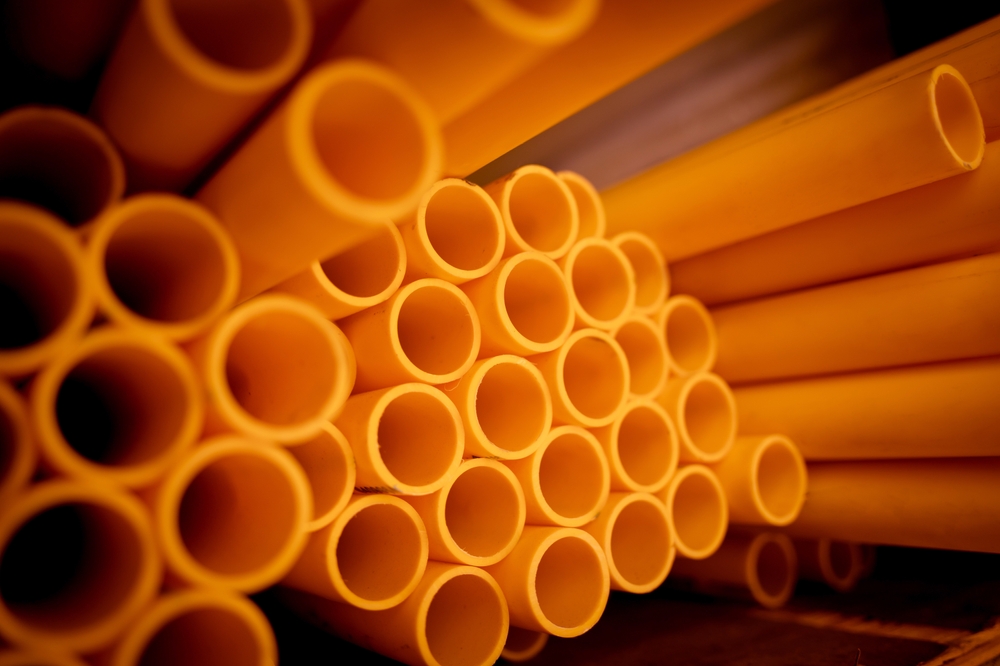
Chemical Transfer


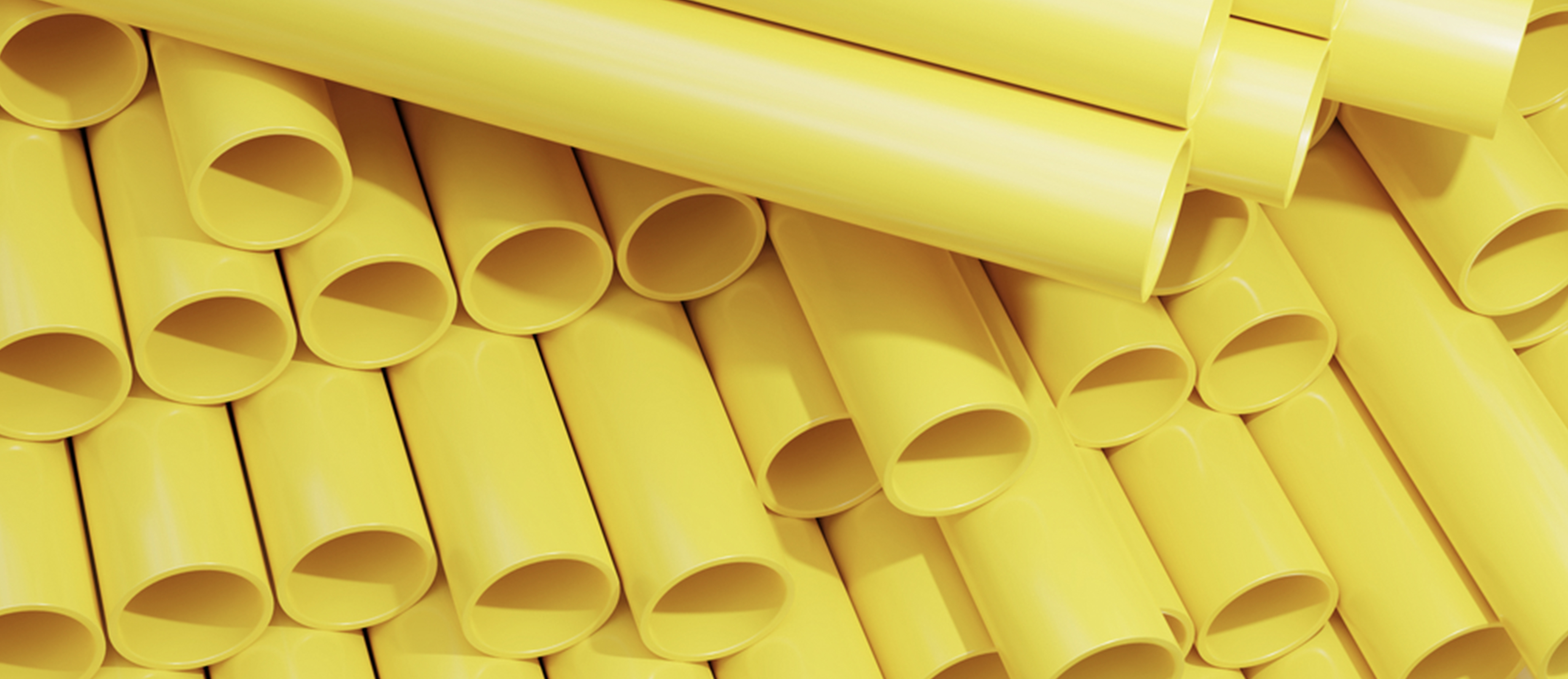
PVC pipes are widely used for transporting chemical fluids in industrial facilities due to their excellent resistance to corrosion and chemical reactions. Their lightweight structure, smooth internal surface, and long service life make them a reliable solution for chemical processing plants and industrial transfer systems.
- Excellent chemical resistance compared with metal pipes
- Reduced corrosion and maintenance costs
- Long service life in aggressive industrial environments
- Easy installation due to lightweight structure
- Reliable and safe transport of chemical fluids
- Chemical processing plants
- Acid and alkali transfer pipelines
- Industrial fluid transport systems
- Chemical storage and processing facilities
- Laboratory and industrial chemical transfer lines
To ensure reliable performance of PVC pipes in chemical environments, the following laboratory tests are conducted:
- Chemical resistance test: Evaluates durability against acids, alkalis, and aggressive chemicals.
- Pressure resistance test: Determines the pipe’s ability to withstand internal pressure.
- Impact resistance test: Assesses durability during transportation and installation.
- Leak‑tightness test: Ensures secure joints and safe transfer of chemical fluids.
- Thermal stability test: Confirms performance under industrial temperature variations.
Product Support
Need assistance? Visit our product support section to download catalogs and technical documentation.
Download Catalog