PVC pipes for potable water transmission

PVC Pipes for Potable Water Transmission

Portable Water
Industrial Wastewater
Agriculture and Irrigation
Gas Distribution
Chemical Transfer
Cable Protection

PVC (polyvinyl chloride) pipes for cold water and CPVC for hot and cold applications have long been used in residential potable water networks. These pipes are certified according to international standards. Although PVC is not considered environmentally friendly in terms of production or recycling, the solvent‑based adhesives used for fitting connections are recyclable and compliant with safety regulations.

Main characteristics of PVC pipes used for potable water transmission:

  • PVC can be manufactured in a wide range of hardness grades with excellent flexibility.
  • High chemical resistance suitable for diverse applications.
  • Non-toxic and safe for potable water networks.
  • Resistant to fungi, bacteria, rodents and insects.
  • Zero leakage of gases or liquids through PVC walls.
  • Acts as a thermal, electrical and acoustic insulator.
  • Long operational lifespan.
  • Does not support flame propagation.
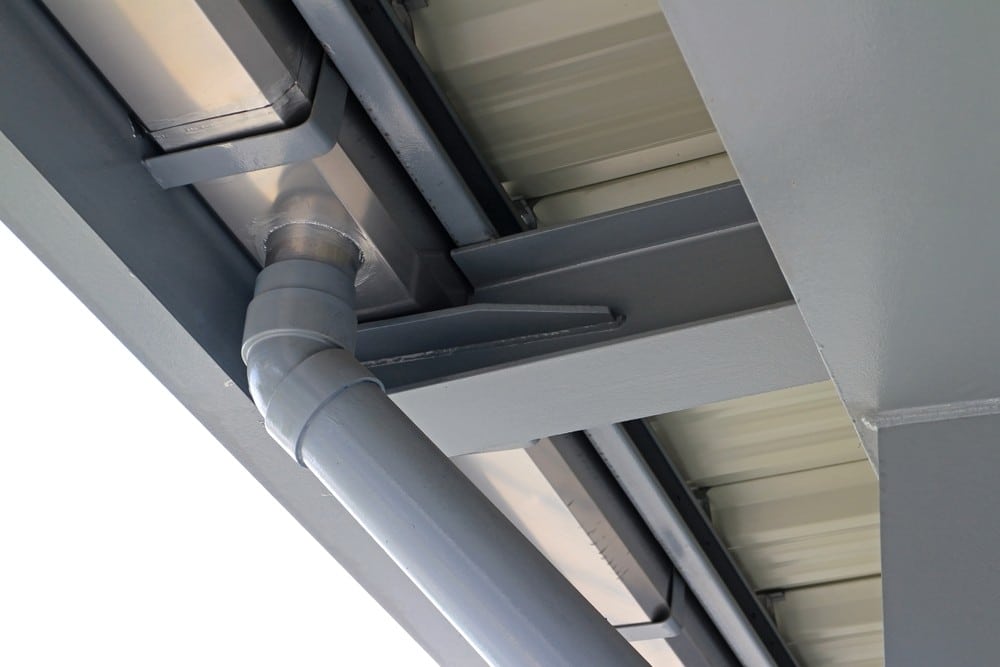
Main advantages of PVC pipes in drinking water distribution:

  • Excellent resistance to heat, corrosion and degradation.
  • Smooth inner surface reduces friction losses compared to concrete and metal pipes.
  • Lightweight structure allows easy handling and long-distance transport.
  • Cost‑efficient and economical solution.
  • High flexibility and adaptability to various applications.
  • Capable of withstanding high operating pressures.
  • Resistant to hazardous chemical compounds.
  • Service life of up to 100 years when installed underground.
  • Easy installation, disassembly and maintenance.
  • 100% recyclable material.

Typical applications of PVC pipes for water supply:

  • Pressurized and non‑pressurized agricultural irrigation systems
  • Urban wastewater networks (pressurized and non‑pressurized)
  • HVAC, drainage and casing networks
  • Municipal water distribution systems
  • Residential and building water supply systems

To ensure suitability for drinking water applications, PVC pipes undergo the following tests:

  • Compliance testing with international health standards such as NSF/ANSI 61.
  • Internal pressure resistance tests under continuous high‑pressure conditions.
  • Taste and odor neutrality tests to ensure no impact on potable water quality.
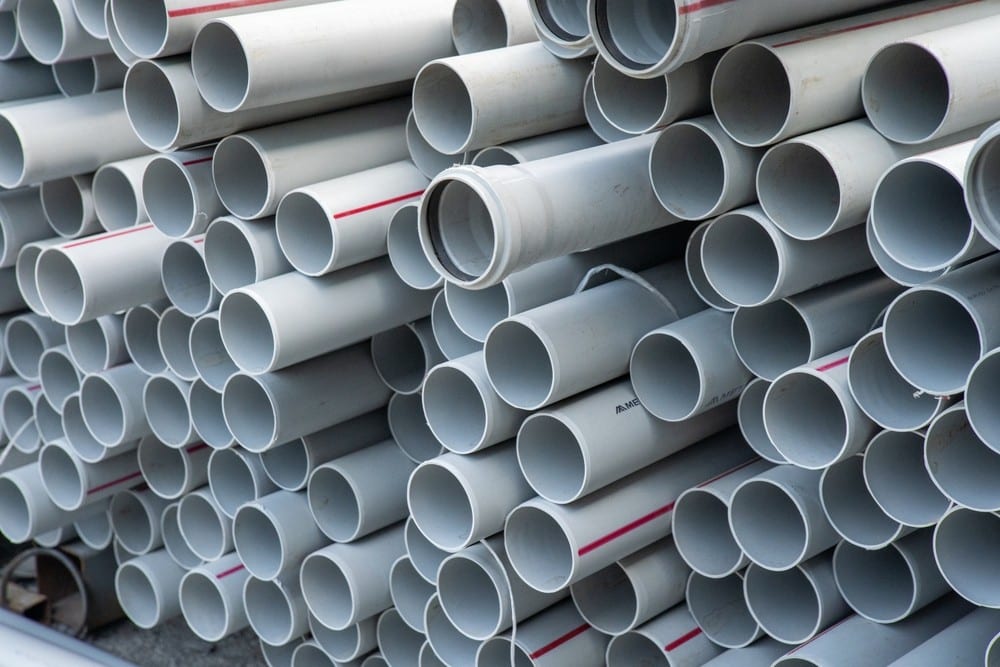
PVC pipe for potable water – image 1
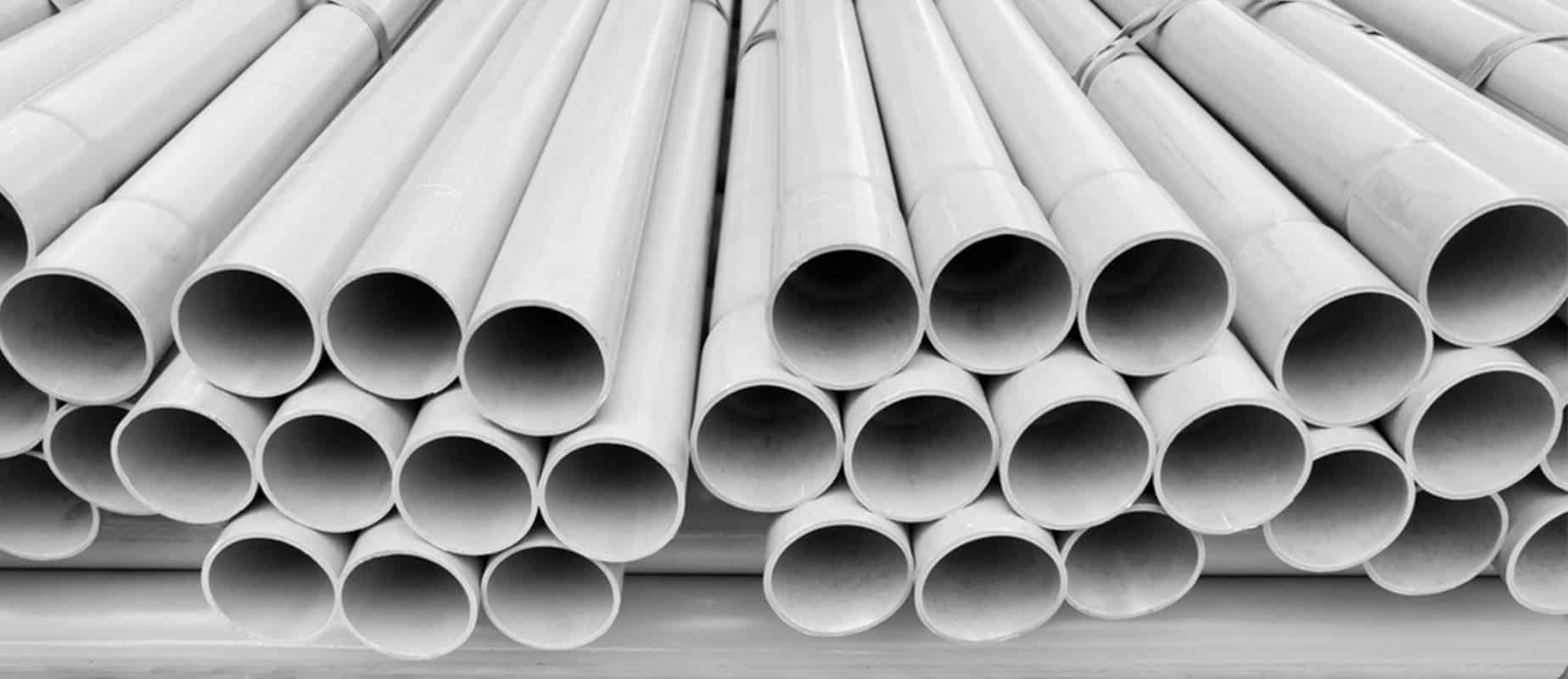
PVC pipe for potable water – image 2
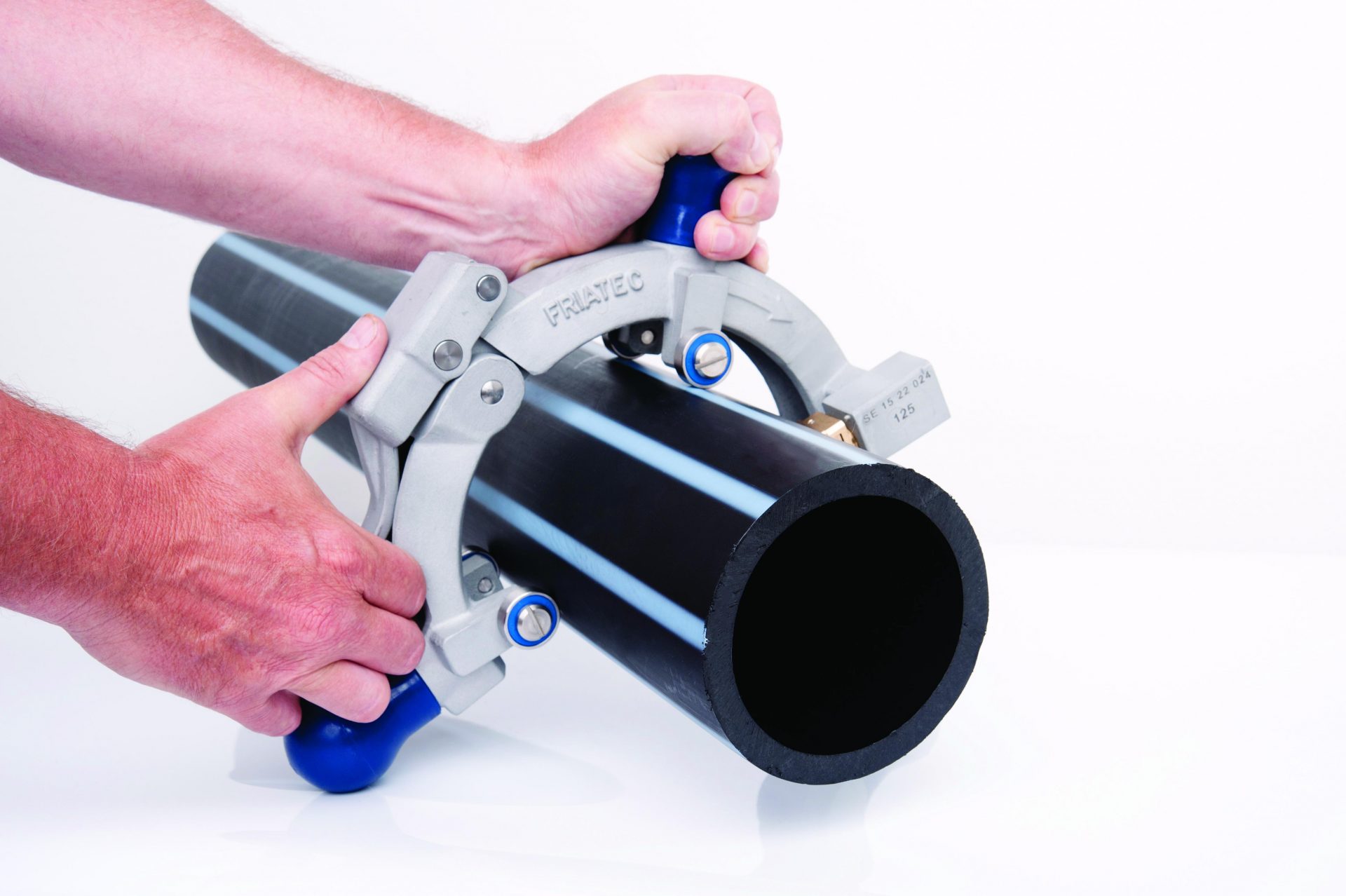
PVC pipe for potable water – image 3
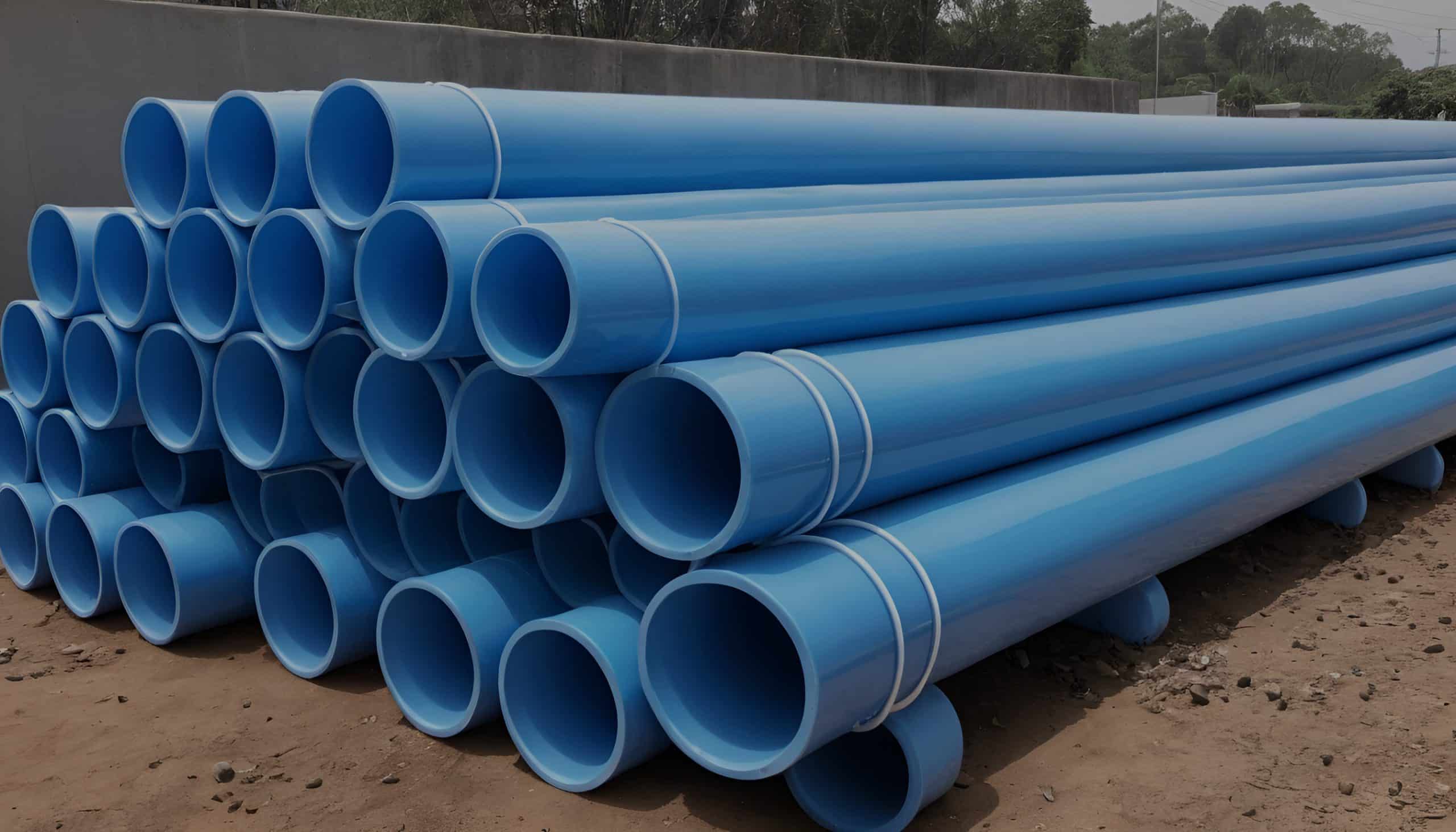
PVC pipe for potable water – image 4
Product Support

Product Support

Need assistance? Visit the product support section to download catalogs and technical information.

Download Catalog