
Chemical Resistance of Polyethylene Pipes
An overview of the properties, advantages, and performance of polyethylene pipes against chemicals, acids, alkalis, and various environmental conditions.
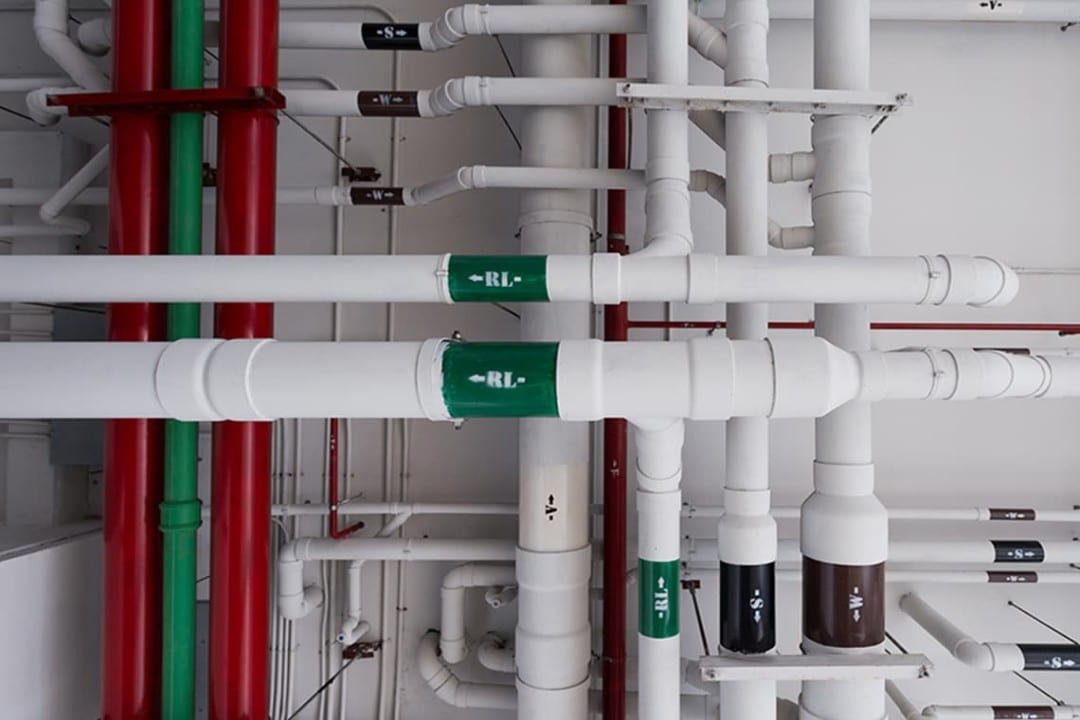
Chemical Resistance of Polyethylene Pipes
Polyethylene pipes are recognized as one of the most widely used materials across different industries due to their unique characteristics. One of the most important features of these pipes is their high chemical resistance against many corrosive compounds and industrial fluids.
This characteristic has made polyethylene pipes highly suitable for applications in water and wastewater systems, agriculture, oil and gas industries, and chemical fluid transportation.
Chemical Composition and Structure of Polyethylene
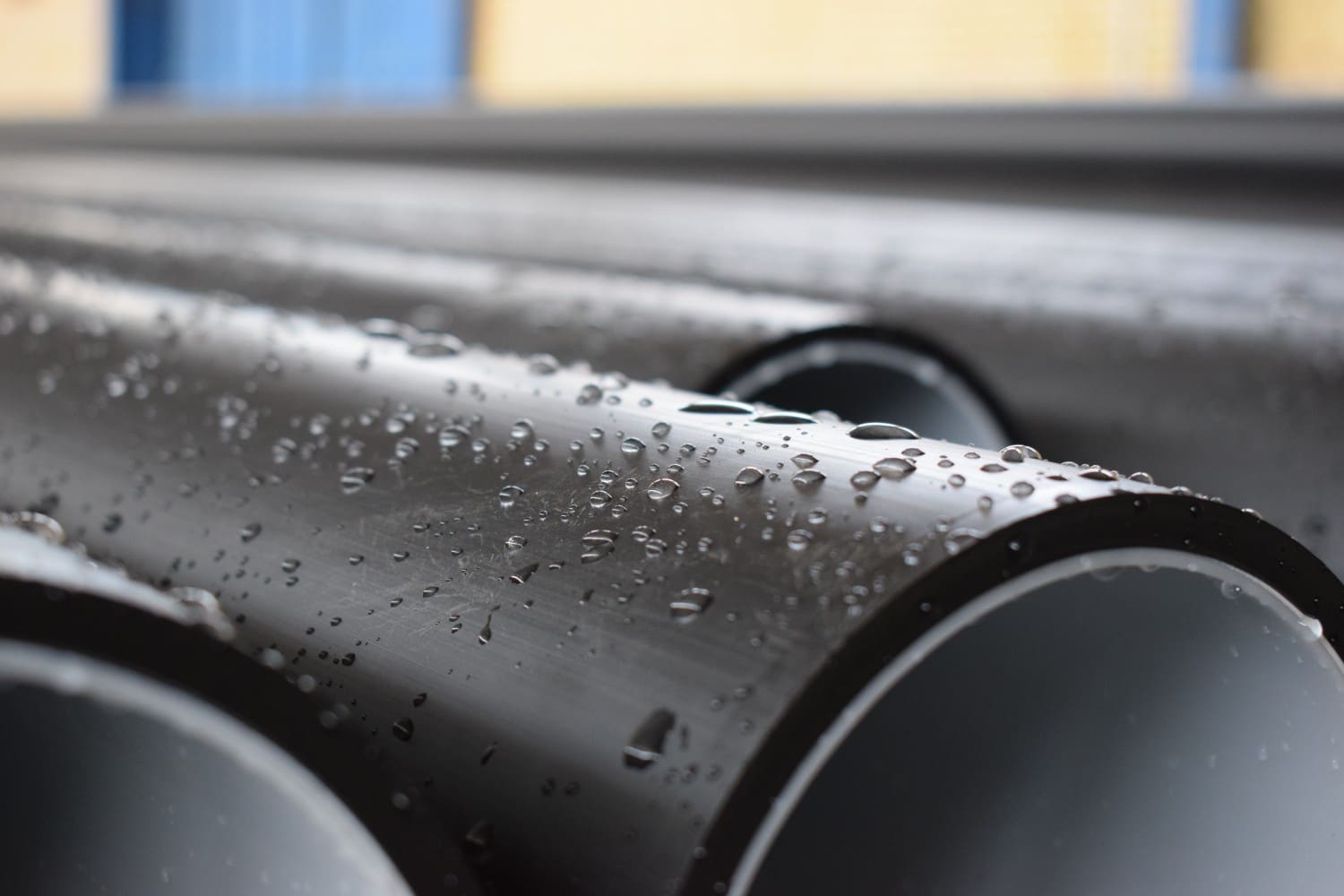
Polyethylene is a thermoplastic polymer from the hydrocarbon family, composed of repeating ethylene units. The stable molecular structure of this polymer makes it less reactive to many chemical substances.
This stable structure provides excellent resistance against acids, alkalis, salts, and many industrial solutions.
Factors Affecting Chemical Resistance
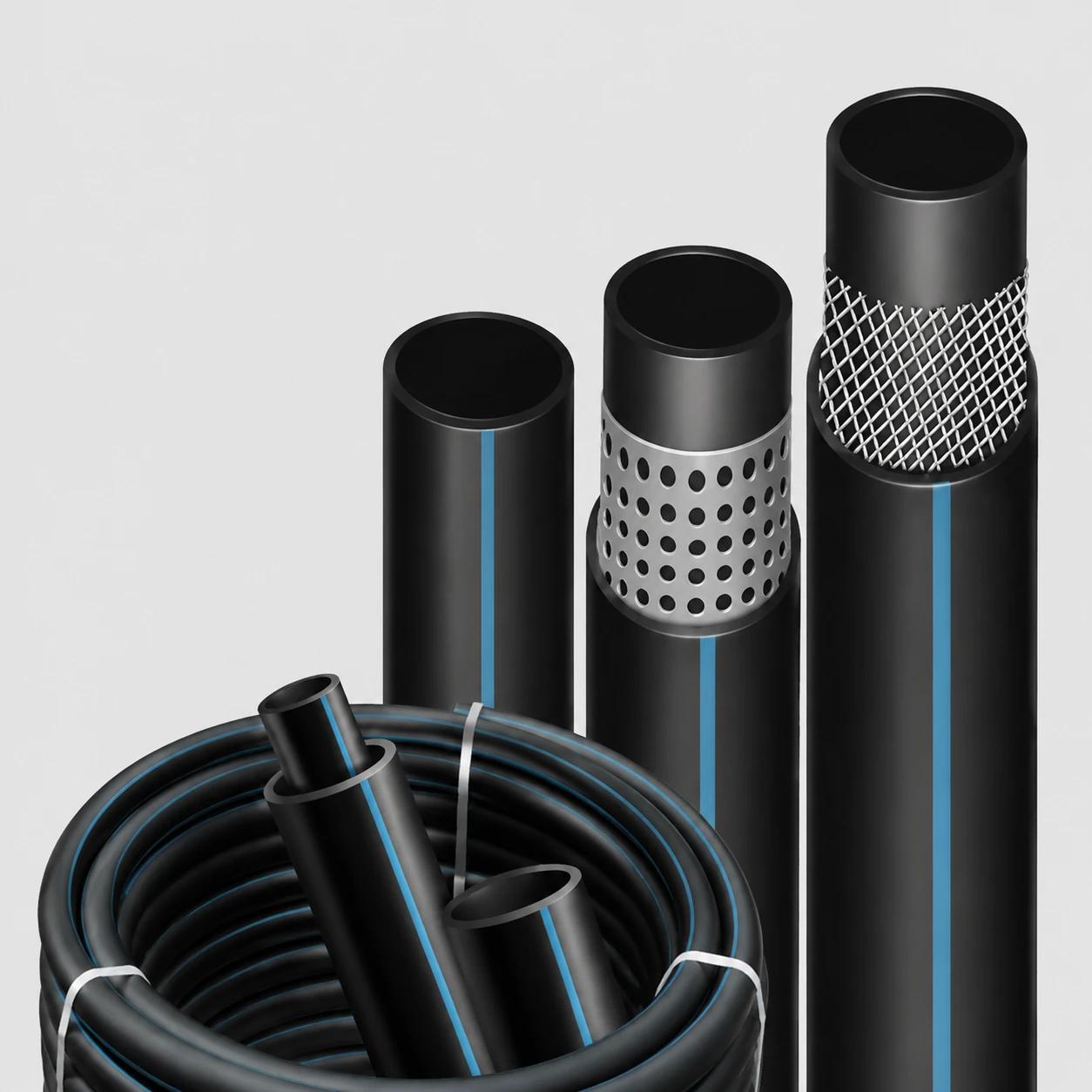
- Type of Polyethylene: HDPE generally offers greater chemical resistance compared to MDPE and LDPE.
- Temperature: Higher temperatures may reduce chemical resistance and accelerate reactions.
- Chemical Concentration: Higher concentrations of corrosive substances can have a greater impact on pipe durability.
- Exposure Duration: Long-term exposure to certain chemicals may gradually reduce polymer properties.
- Pressure and Mechanical Stress: Mechanical stress combined with chemical exposure may affect pipe performance.
Advantages and Applications
- High resistance to corrosion and rust
- Long service life under various environmental conditions
- Excellent flexibility and easy installation
- Lightweight design that reduces transport and installation costs
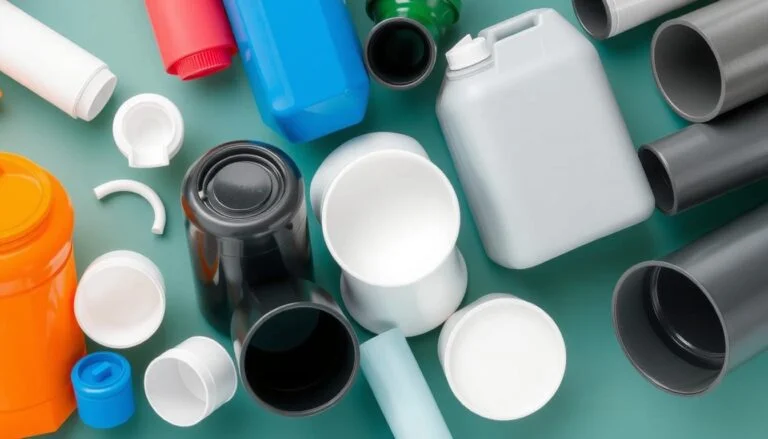
- Suitable for transporting water, wastewater, chemicals, and industrial fluids
- Reliable resistance against many acids, alkalis, and saline solutions
Conclusion
Due to their high chemical resistance, durability, flexibility, and low maintenance costs, polyethylene pipes are considered one of the best options for fluid transfer systems across various industries.
Choosing the correct type of polyethylene and considering operating conditions such as temperature, pressure, and the type of chemical substance play an important role in maximizing pipe lifespan and performance.
Product Support
Need assistance? Visit the product support section to download catalogs and access technical information.
Download Catalog