
Chemical Resistance of Polypropylene (PP) Pipes
An overview of the properties, advantages, and performance of polypropylene pipes when exposed to acids, alkalis, solvents, and various chemical substances.
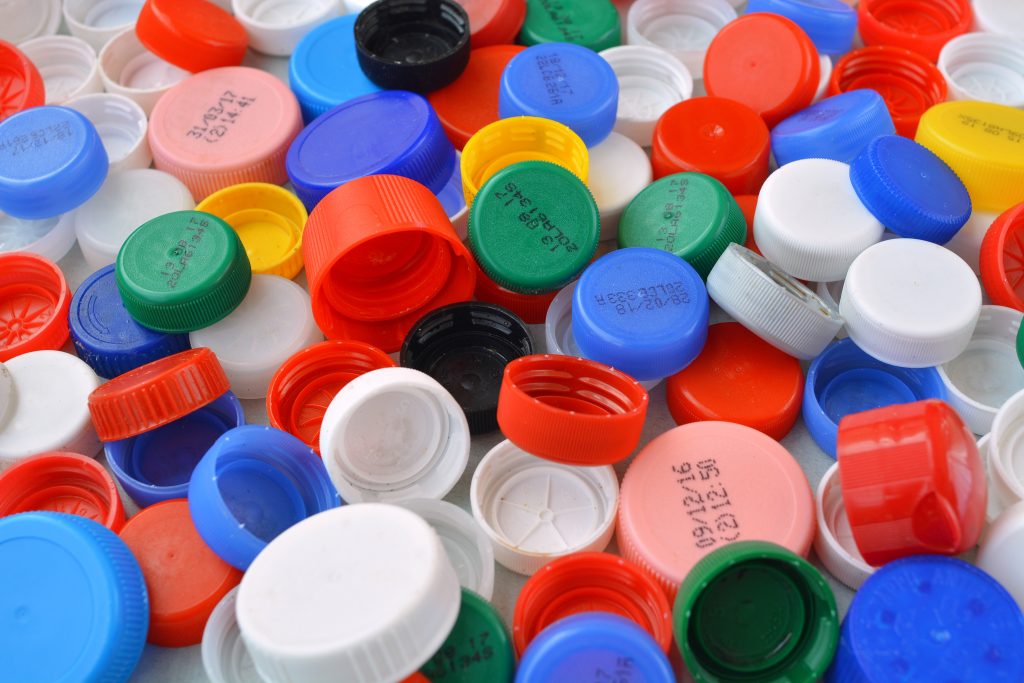
Chemical Resistance of Polypropylene Pipes
Polypropylene (PP) pipes are widely used in industrial, construction, and residential applications due to their outstanding characteristics. One of the most important advantages of these pipes is their excellent chemical resistance.
This resistance makes polypropylene one of the primary materials selected for piping systems, especially in environments exposed to corrosive chemical substances.
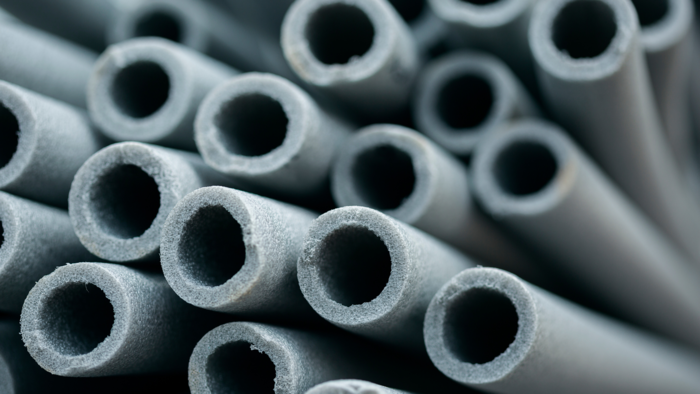
Properties of Polypropylene
Polypropylene is a thermoplastic polymer made from propylene monomers. Due to its unique molecular structure, this material has several important characteristics that make it suitable for a wide range of applications.
- Chemical Resistance: Polypropylene shows excellent resistance to many acids, alkalis, solvents, and salts. It maintains its properties even in harsh chemical environments.
- Thermal Resistance: This polymer remains stable at both high and low temperatures compared with many other plastics.
- Lightweight: Its low weight makes handling, transportation, and installation easier and more efficient.
- Recyclability: Polypropylene is a recyclable material, helping reduce environmental impact and supporting sustainability.
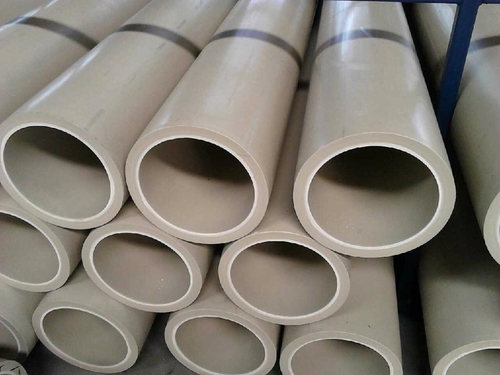
Chemical Resistance
The chemical resistance of polypropylene depends on the type and concentration of the chemical substance, as well as temperature and operating conditions. However, PP demonstrates excellent resistance to many chemicals commonly used in industrial processes.
- Mineral Acids: Such as sulfuric acid and nitric acid in many common industrial concentrations.
- Alkalis: Solutions such as sodium hydroxide and ammonia used in various chemical industries.
- Organic Solvents: Many alcohols, ketones, and esters that have minimal effect on the structure of PP.
- Salts: Most saline solutions do not cause corrosion or structural damage to polypropylene.
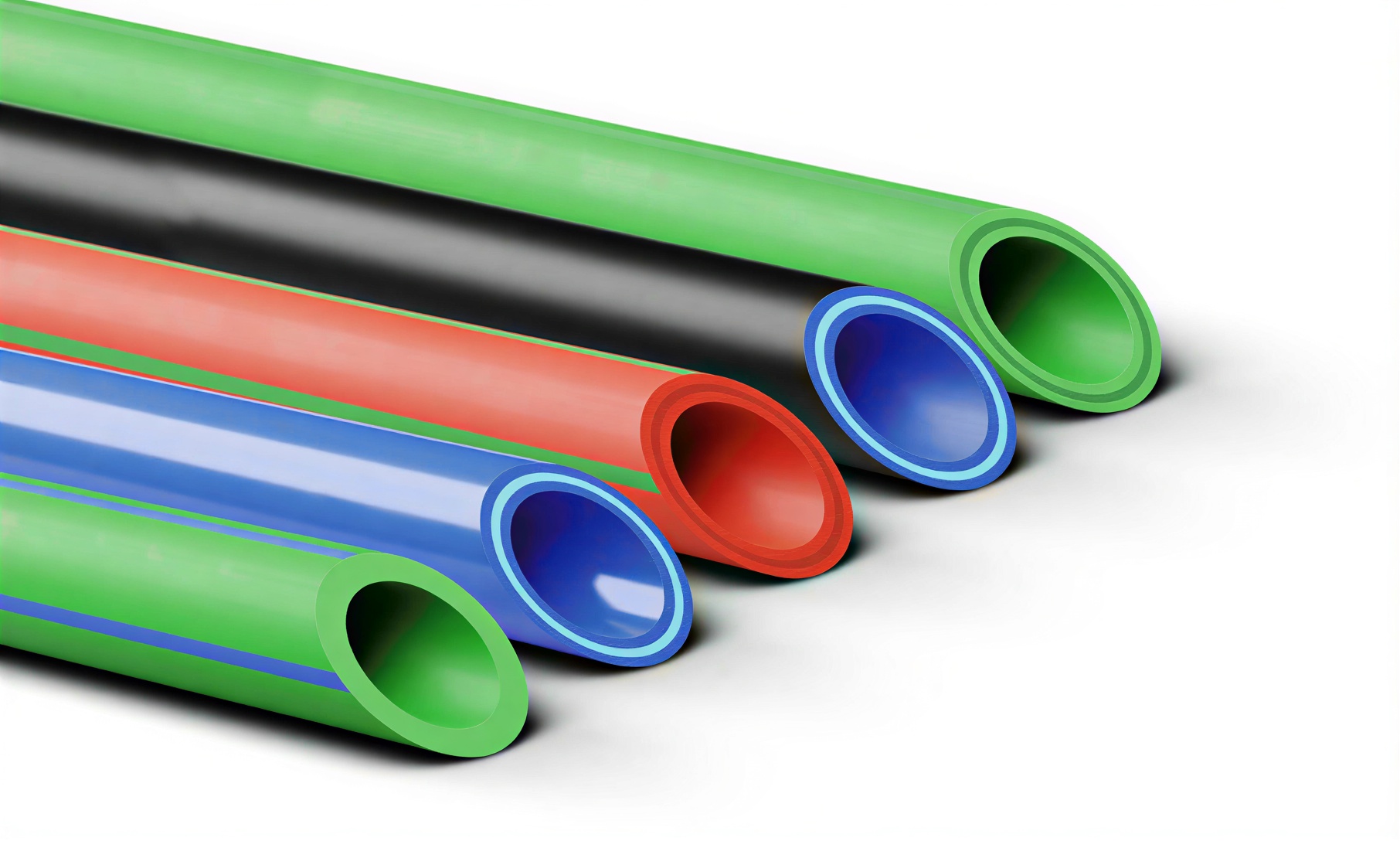
Applications
- Chemical Industries: Transporting acids, alkalis, and solvents in industrial piping lines.
- Water Treatment: Used in filtration and wastewater treatment systems.
- Pharmaceutical Industry:Handling and transporting chemically sensitive substances.
- Food and Beverage:Suitable because it does not react with food materials.
Conclusion
Due to their high chemical resistance, lightweight structure, thermal stability, and recyclability, polypropylene pipes are considered one of the best options for industrial and residential applications.
These features make PP pipes a reliable choice even in corrosive environments, ensuring safe performance and long service life.
Product Support
Need help? Visit the product support section to download the catalog and access technical information.
Download Catalog