
PVC Pipe Chemical Resistance
Overview of the properties, structure, and performance of PVC pipes against acids, bases, organic solvents, oils, and various environmental factors.
Introduction
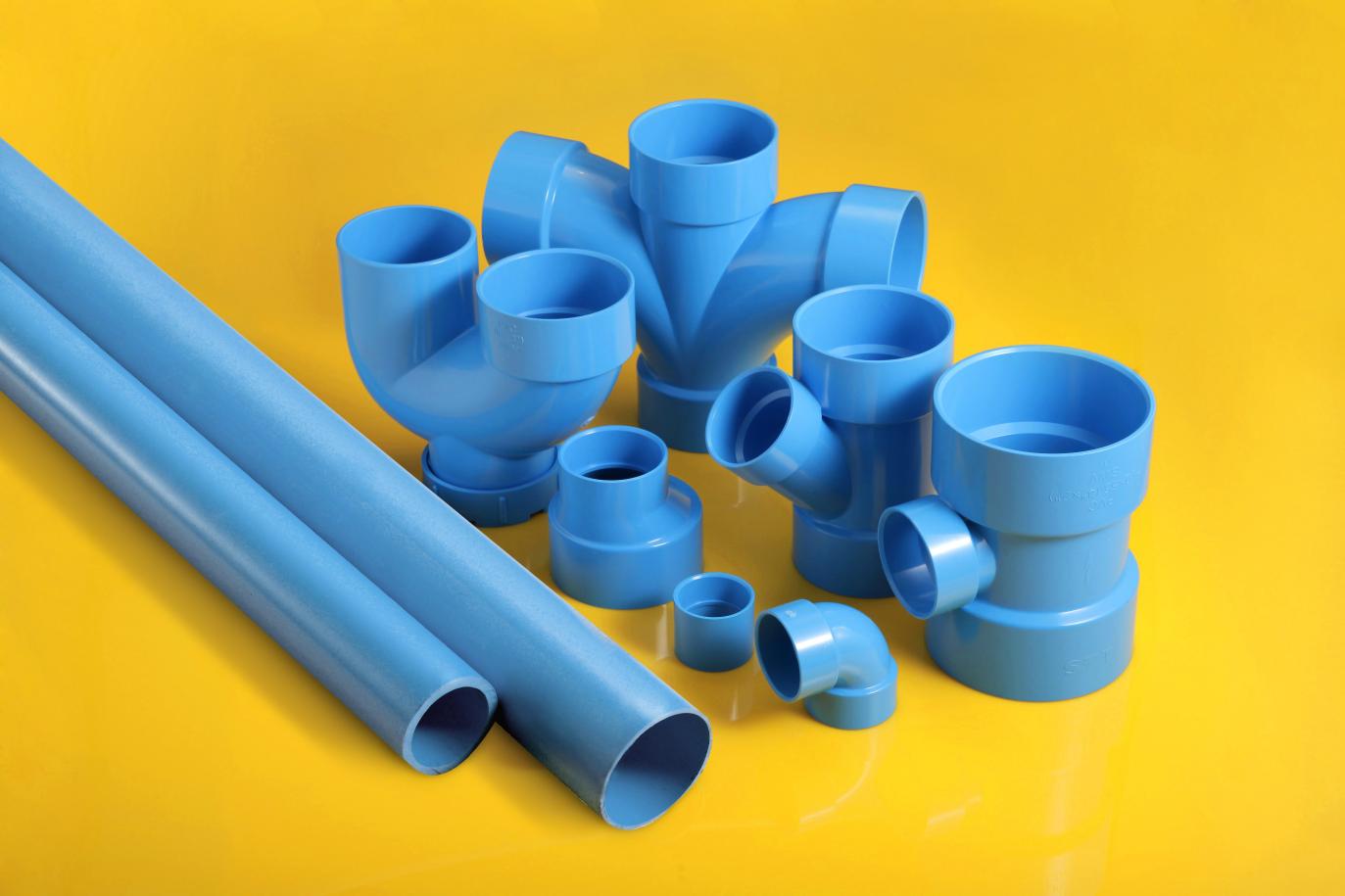
Polyvinyl chloride (PVC) pipes are widely used in industrial, construction, and infrastructure applications due to their excellent properties such as chemical resistance, durability, and cost efficiency.
The chemical resistance of PVC pipes is one of their most important characteristics, allowing them to perform reliably and maintain long service life in environments exposed to a wide range of chemicals.
Chemical Composition and Structure of PVC
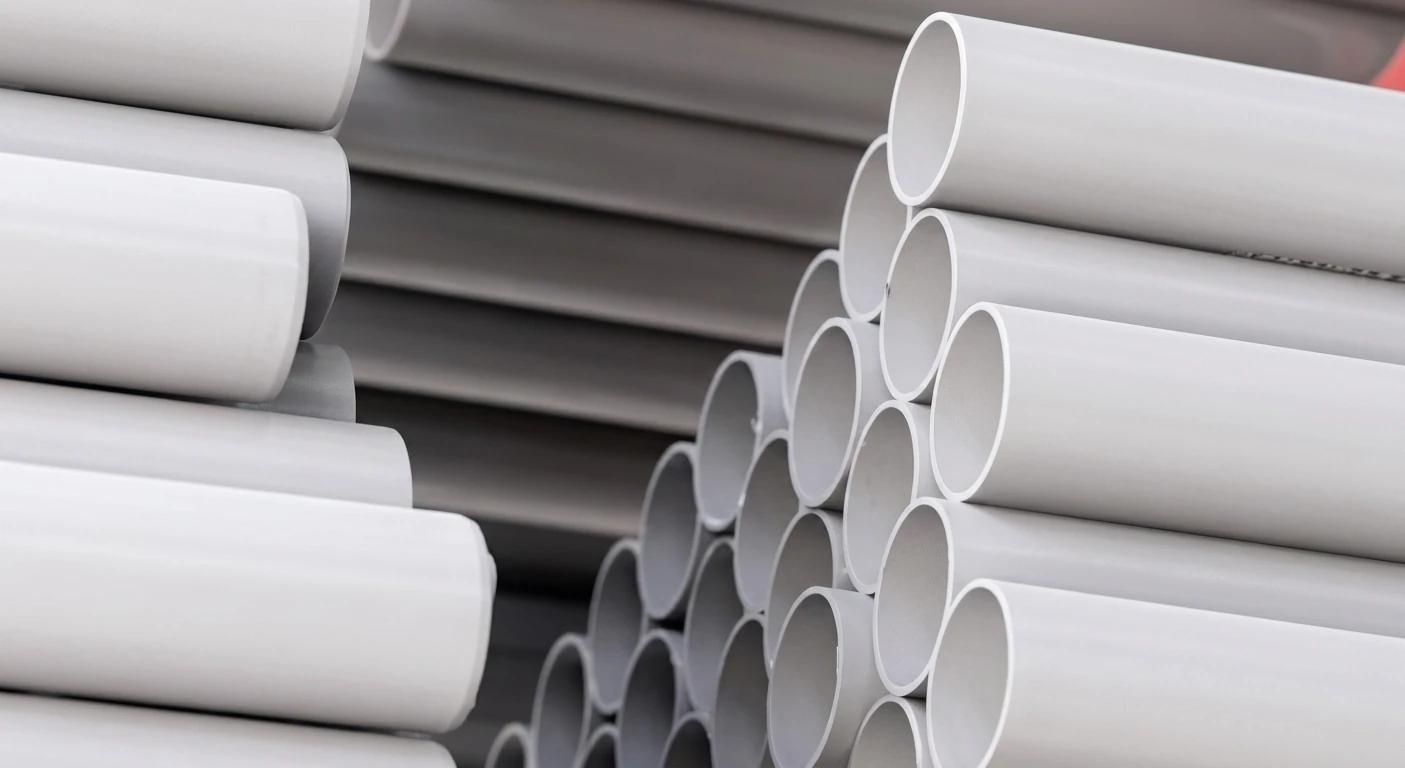
PVC is formed through the polymerization of vinyl chloride monomers. The polymer has a linear structure in which chlorine atoms are regularly positioned along the polymer chains.
The presence of chlorine atoms in the PVC structure significantly increases its resistance to many chemical substances and helps prevent unwanted chemical reactions between aggressive chemicals and the polymer chains.
Resistance to Acids and Bases
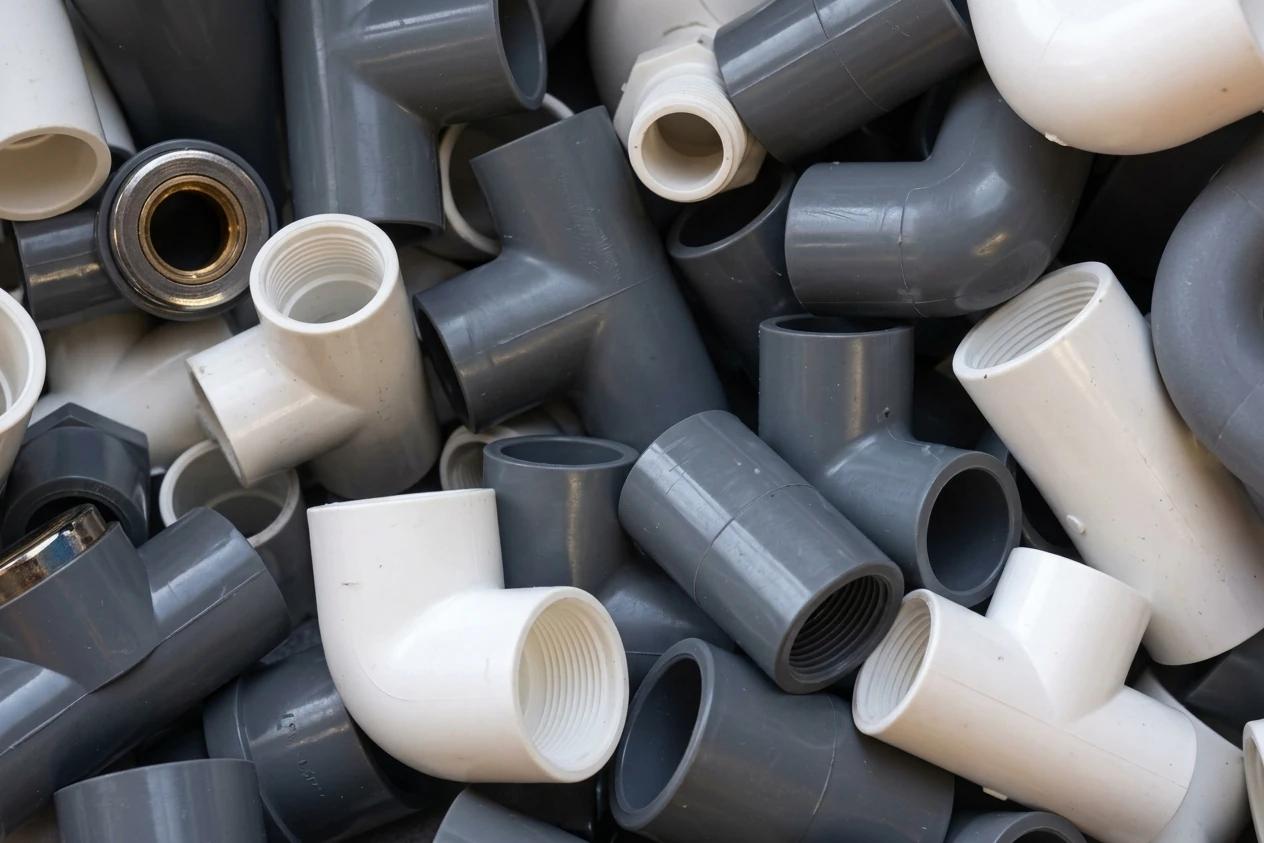
PVC pipes show excellent resistance to many strong acids and bases. Mineral acids such as sulfuric acid, nitric acid, and hydrochloric acid generally have little effect on the structure of PVC pipes.
PVC also demonstrates strong resistance to powerful bases such as sodium hydroxide and potassium hydroxide, making it suitable for transporting many chemical substances in industrial applications.
Resistance to Organic Solvents
PVC pipes have good resistance to many alcohols and aliphatic hydrocarbons.
However, they can be vulnerable to stronger organic solvents such as aromatic compounds (benzene and toluene), ketones (such as acetone), and chlorinated hydrocarbons.
Prolonged exposure to these substances may cause swelling, softening, or a reduction in the mechanical strength of PVC. Therefore, chemical compatibility should always be carefully evaluated for industrial applications.
Resistance to Oils and Fats
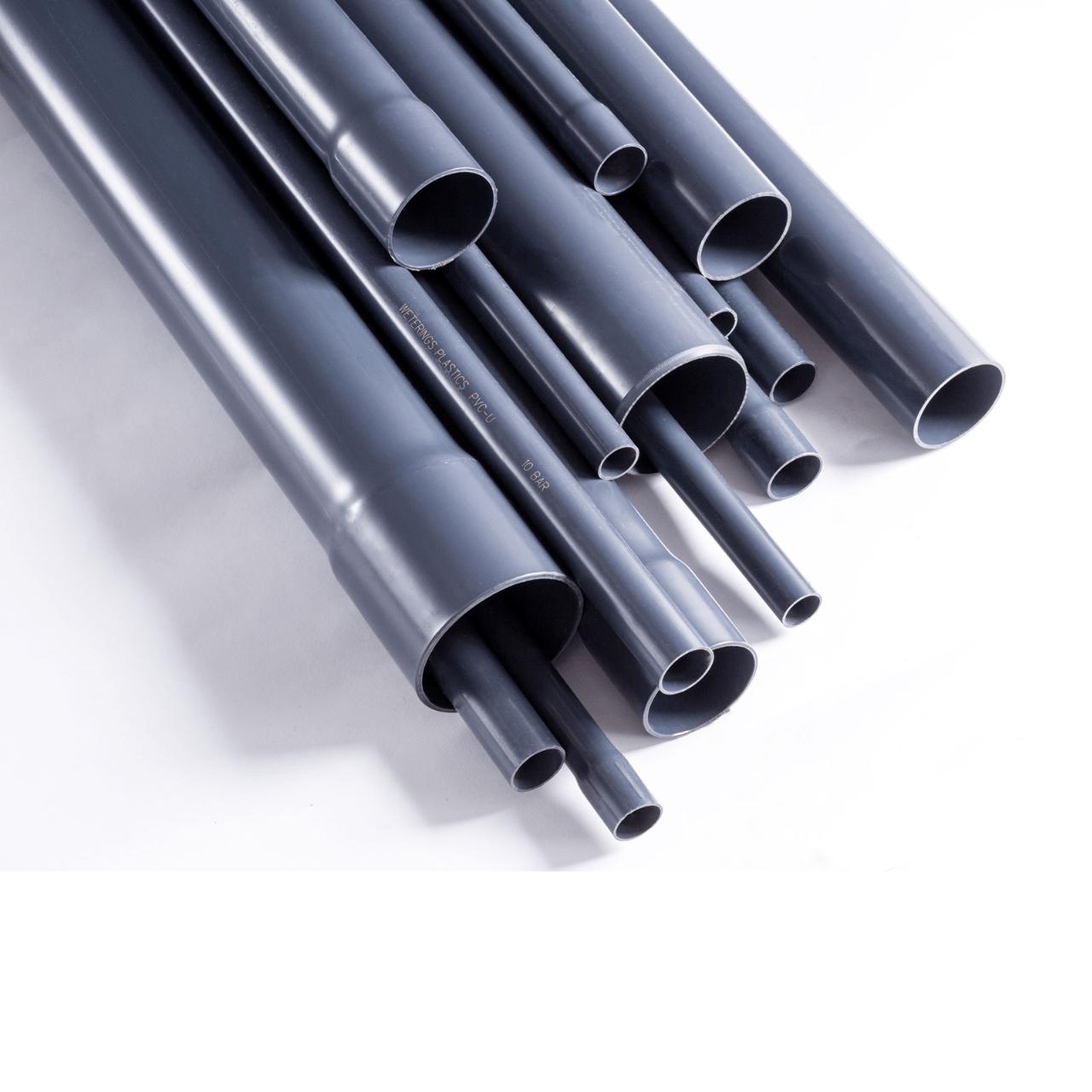
PVC has very good resistance to vegetable, animal, and mineral oils as well as various types of fats.
Contact with these substances generally does not cause deformation, degradation, or loss of mechanical strength. For this reason, PVC pipes are commonly used for transporting industrial wastewater containing oils and fats, as well as in domestic wastewater and food‑related industries.
Resistance to Oxidation and Corrosion
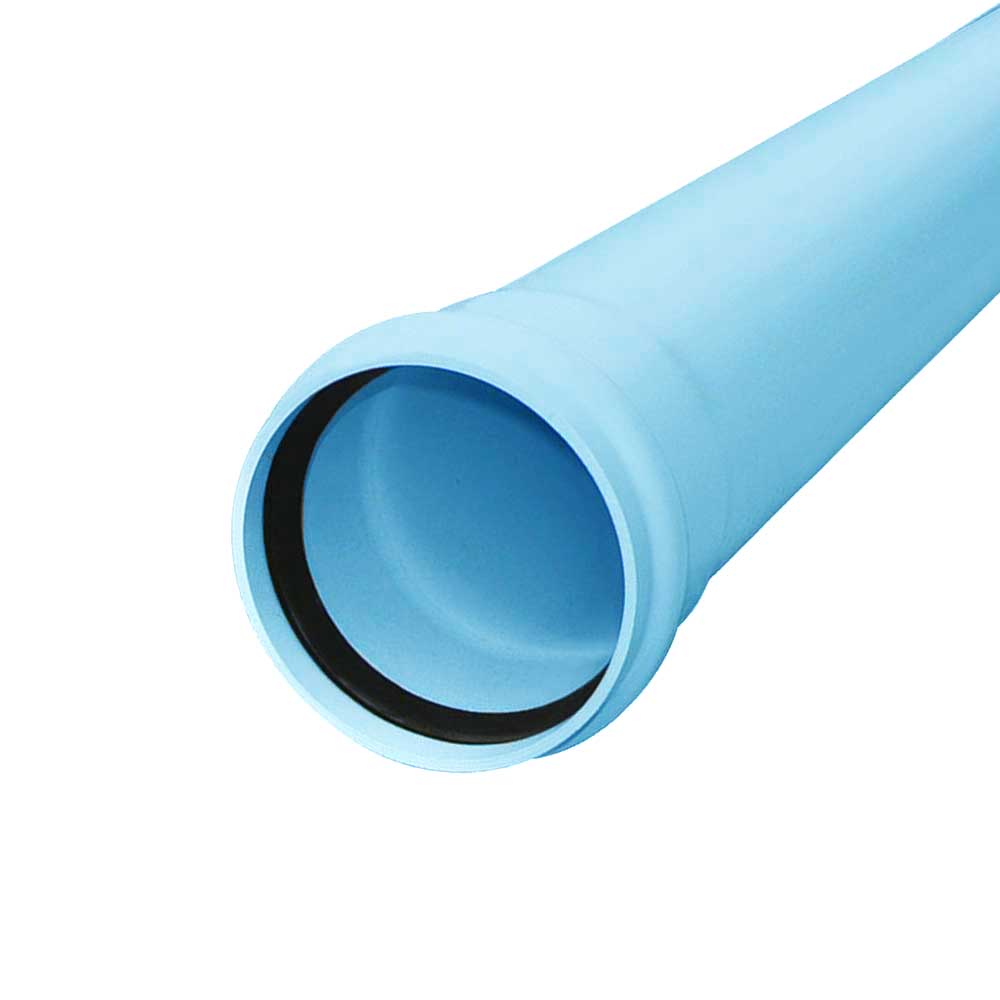
One of the most important advantages of PVC pipes compared with metal pipes is their resistance to rust and galvanic corrosion.
These pipes have strong resistance to oxidizing agents such as oxygen and ozone. They also perform reliably in corrosive environments such as acidic or alkaline soils, humid conditions, and areas exposed to seawater.
Thermal and UV Effects
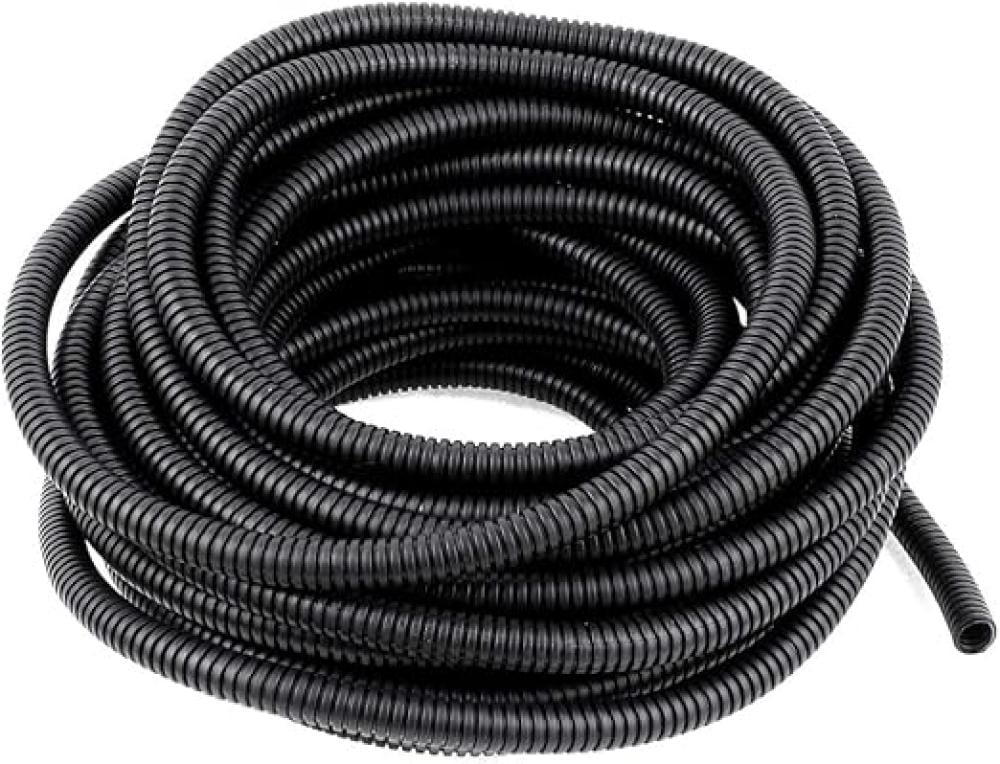
Standard PVC (uPVC) pipes are typically suitable for operating temperatures below 60°C. At higher temperatures, the material may soften and its mechanical strength can decrease.
Long‑term exposure to ultraviolet (UV) radiation from sunlight may also cause discoloration and reduced flexibility. For outdoor applications, UV stabilizers such as titanium dioxide are commonly added to improve resistance.
Conclusion
PVC pipes are considered one of the most widely used materials in piping systems due to their high chemical resistance to acids, bases, oils, and many environmental factors.
Combined with durability and cost efficiency, these properties make PVC a reliable choice for construction, industrial, and infrastructure applications.
Product Support
Need assistance? Visit our product support section to download catalogs and view technical information.
Download Catalog